2026-09-29 ·
Signs of Internal Scale Buildup in Mid-Century Ontario Cast Iron Laterals
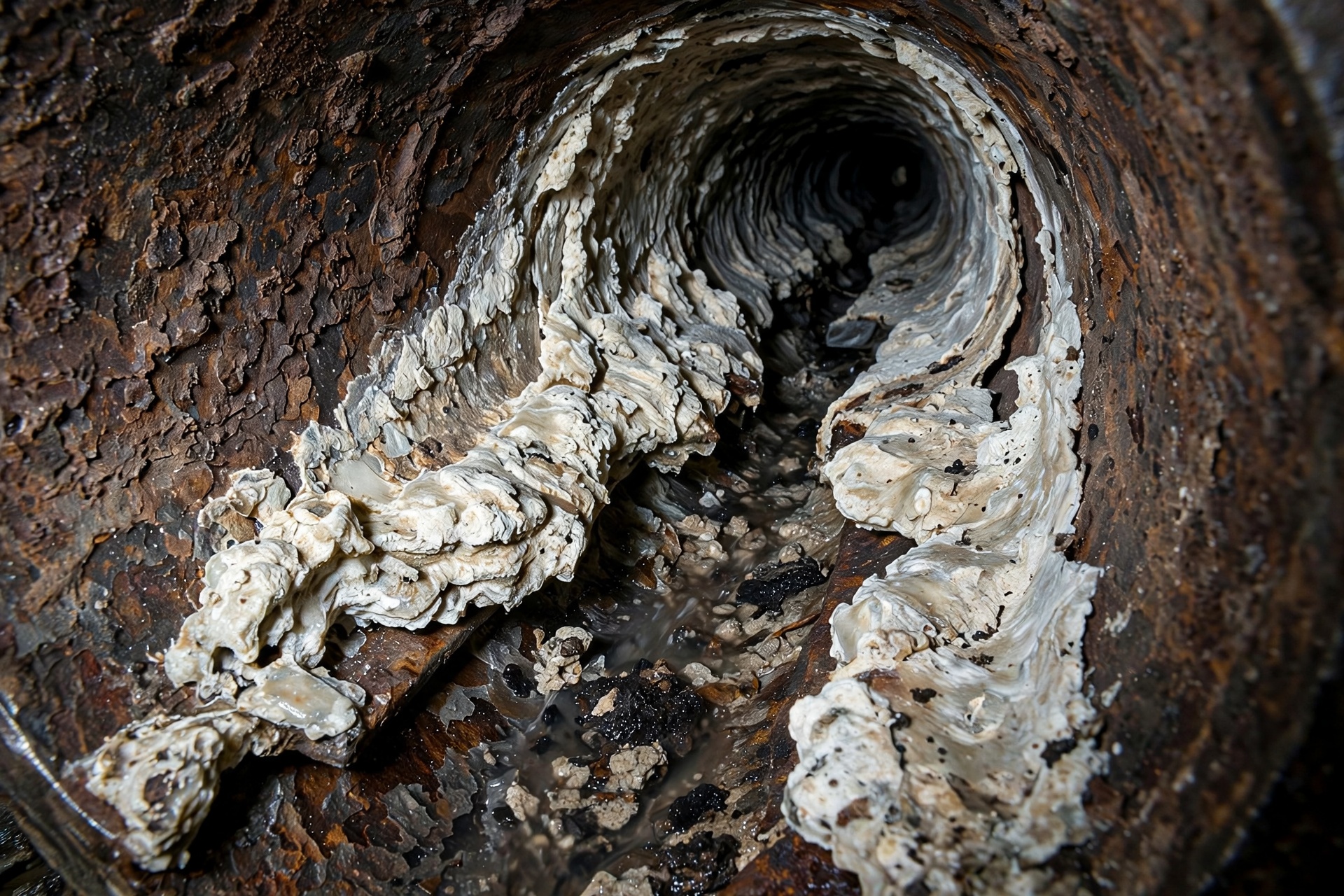
Mid-century cast iron laterals in Ontario typically show reduced flow rates of 30-50% before full blockages occur due to internal scale from hard water minerals common in San Bernardino County. Homeowners notice this first through slower sink and tub drainage that worsens over weeks rather than sudden clogs. The hot-summer Mediterranean climate with very hot summers accelerates mineral precipitation inside pipes during peak evaporation periods in neighborhoods such as Creekside and Armstrong.
Visual and Auditory Indicators
Rust-colored water or flakes appearing at fixtures often signals scale flaking from cast iron laterals installed in 1950s-1960s homes across Downtown Ontario and Guasti. Gurgling sounds during drainage point to partial obstructions where scale narrows the pipe diameter, trapping air pockets. In Ontario Ranch properties, these auditory cues frequently precede visible backups during mild winter rains when groundwater levels rise slightly. Residents near Ontario Mills report similar issues tied to the same era of construction and shared municipal water sources.
Scale buildup also produces faint metallic odors at cleanouts or floor drains, distinct from sewer gas smells. These signs appear more consistently in North Ontario homes where original cast iron lines run under older slabs without modern venting upgrades. Checking for discoloration at multiple points helps isolate whether the issue stays localized or affects the full lateral run toward the street.
Flow and Drainage Changes
Gradual loss of water pressure at lower fixtures marks scale narrowing the interior of 4-inch and 6-inch cast iron laterals common in mid-century builds. Multiple drains slowing simultaneously, rather than one at a time, distinguishes scale from isolated clogs in areas like Central Ontario. During very hot summers, increased household water use pushes scale particles downstream, creating intermittent flow interruptions that homeowners notice first at toilets.
Backups that recur within days after basic snaking indicate scale layers remain and continue restricting capacity. Properties near Cucamonga-Guasti Regional Park experience this pattern due to the same water chemistry affecting pipes laid before 1970. Tracking these changes over 8-12 weeks provides clearer evidence than single incidents.
Local Factors Accelerating Scale in Ontario
San Bernardino County water carries higher mineral content that deposits calcium and magnesium scale inside cast iron laterals faster than in softer-water regions. Mid-century homes in neighborhoods bordering Rancho Cucamonga and Upland share this exposure through the same aquifer sources. Hot summers concentrate these minerals through higher evaporation in exposed sections, while mild winters allow steady accumulation without freeze-thaw disruption.
Soil conditions around Ontario International Airport and Toyota Arena corridors often include alkaline clays that retain moisture against pipe exteriors, indirectly promoting internal corrosion and scale adhesion. Older housing stock in these zones rarely includes the epoxy linings added in later decades, leaving bare iron surfaces vulnerable. Sewer camera inspection reveals the exact scale thickness without excavation.
Diagnostic Steps for Cast Iron Laterals
Start with a sewer camera inspection to measure remaining pipe diameter and locate scale ridges along the lateral. This identifies buildup extent in homes from Downtown Ontario through Ontario Ranch before symptoms escalate to full backups. Follow with targeted cast iron pipe descaling where footage shows uniform mineral layers rather than root intrusion or offsets.